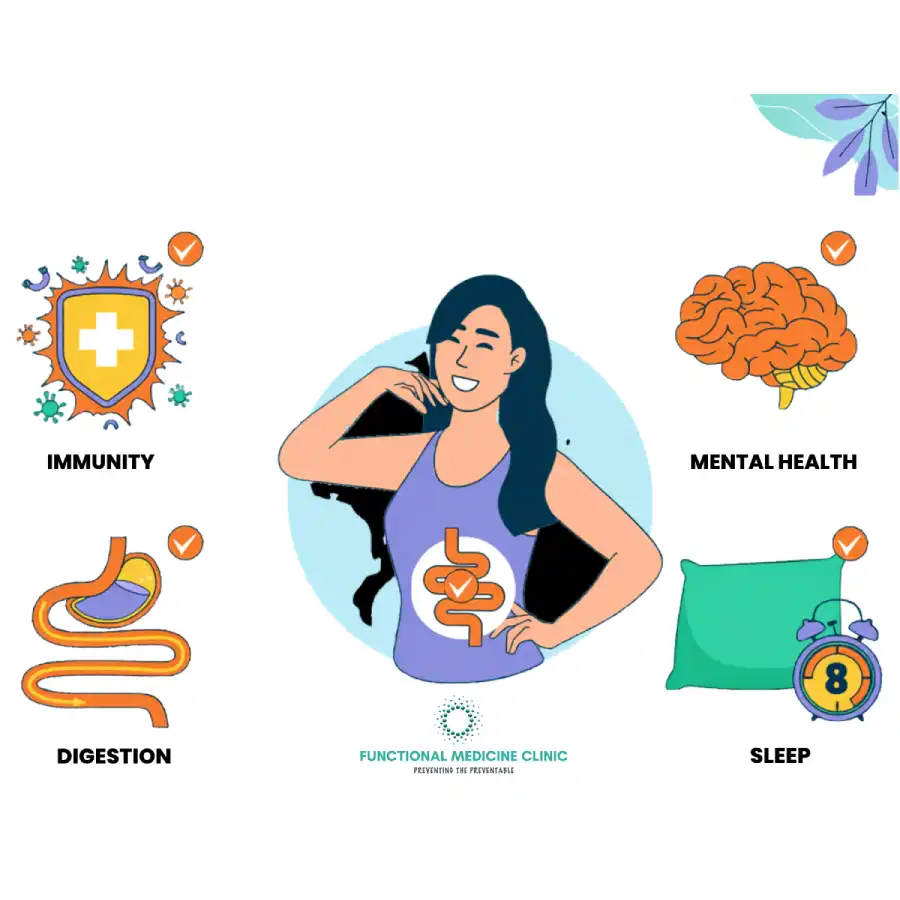
Your gut does far more than digest food. Its function is not limited to the digestion and absorption of nutrients and fluids. It constantly communicates with beneficial bacteria that aid in digestion, regulates immune functions and produces neurotransmitters, and constantly communicates with the brain through the gut–brain axis. When gut health is compromised, symptoms often extend far beyond digestion.
Many people try restrictive diets, probiotics, and detox protocols — yet their symptoms persist. One commonly overlooked root cause? Parasites in humans.
Parasites and gut health are closely linked. Parasites can silently disrupt the digestive system, weaken immunity, alter the microbiome, and create chronic inflammation. Unless the underlying parasitic infection is identified and treated, gut symptoms may continue despite “doing everything right.”
What are Parasites?
Parasites are organisms that live in or on a host and derive nutrients at the host’s expense. Direct transmission can also occur person to person or via animal- to- person routes.
Multicellular (Helminths or worms): roundworm, whipworm, pinworm, hookworm, etc
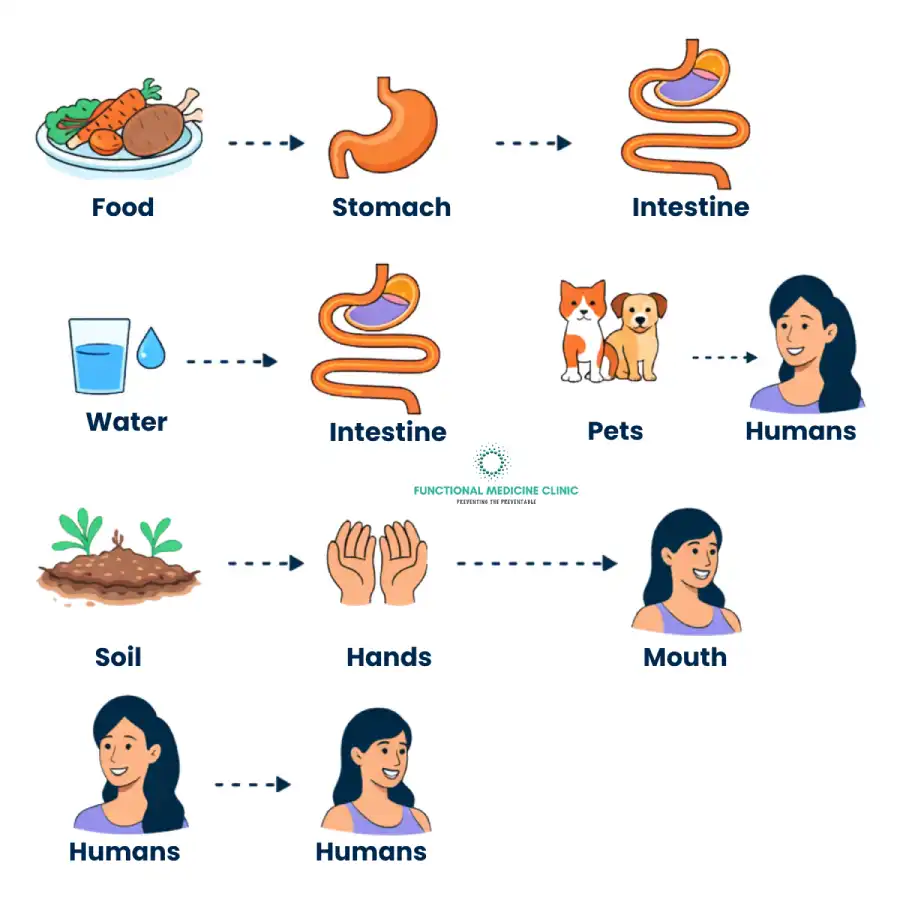
Transmission commonly occurs through:
Contaminated food or water
Soil exposure
Poor hygiene
Animal-to-human transmission
Person-to-person contact
Once they enter the intestine, they interfere with the digestive and immune functions, thus causing an imbalance and digestive disturbances.
Who is at Risk for Parasites?
Certain groups of people are more vulnerable to parasitic infections.
Young children
Immunocompromised individuals
Pregnant women
People living in areas with poor or limited sanitation
Frequent Travellers
Individuals consuming untreated water
Pet owners
Individuals with poor hygiene
Those with weakened stomach acid or digestive issues
Low stomach acid, dysbiosis, and chronic stress increase susceptibility.
How do Parasites Affect Gut Health
Parasites and gut health are interconnected in several important ways:
Damage to the gut lining: Parasites damage the protective lining of the intestine by altering the tight junctions, increasing mucus production and causing epithelial cell damage (“leaky gut”). These changes disturb the balance and weaken the gut’s protective barrier, allowing toxins and undigested particles to enter circulation, triggering inflammation.
Microbiome Disruption: Parasites compete with beneficial bacteria. When the microbiome is disturbed, it creates a favorable environment for the parasites to thrive. The gut microbiota can influence how easily these parasites attach, survive and multiply in the gut.
Immune Dysregulation: Parasites manipulate immune signaling to avoid detection. This may lead to:
Chronic inflammation
Suppressed immune response
Increased susceptibility to other infections
Nutrient Depletion: Some parasites consume host nutrients directly, contributing to:
Iron deficiency anemia
Vitamin deficiencies
Weight loss
Chronic fatigue
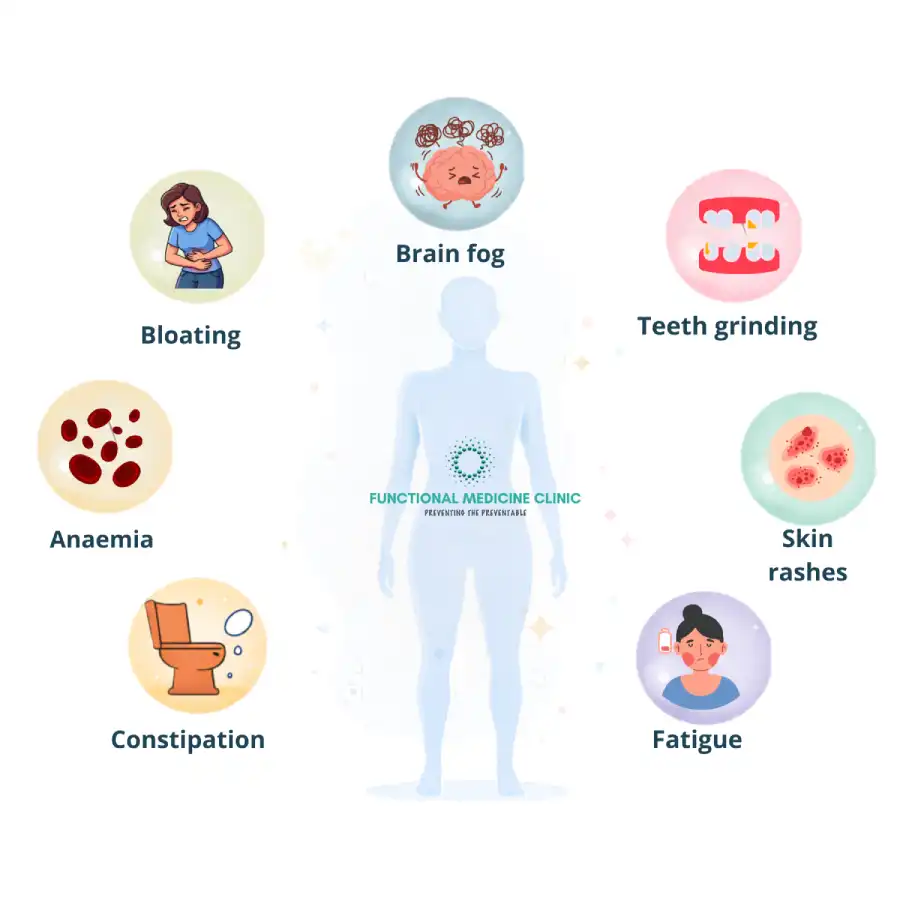
Common Gut Parasites Symptoms Include:
Persistent gas, bloating and abdominal discomfort
Muscle aches
Fatigue and weight loss
Anaemia due to iron deficiency
Skin issues like rashes or irritation
Constipation or diarrhoea
Headaches, brain fog or teeth grinding
Anal itching (especially with pinworms)
Teeth grinding (especially in children)
Symptoms can be subtle and chronic, which is why they are often missed.
Diagnosis of Parasites
Accurate diagnosis is essential before starting treatment.
Common testing methods include:
Stool examination (macroscopic and microscopic analysis)
Multiple stool samples are often required for accuracy, as parasites may not shed consistently.
Functional Medicine Approach to Parasites and Gut Health
Functional medicine does not focus only on eliminating the symptom.
It aims to identify and correct the root cause.
Restore gut sensitivity
Improve the immune response
Support the overall well-being
Parasites typically flourish in the gut with:
Low stomach acid
Dysbiosis
Poor digestive enzyme activity
Chronic stress
Toxin burden
Weak immune defense
Treatment is individualised based on factors such as microbiome analysis, immune health, toxin exposure and lifestyle.
A functional medicine based treatment plan may include
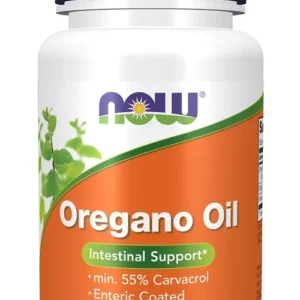
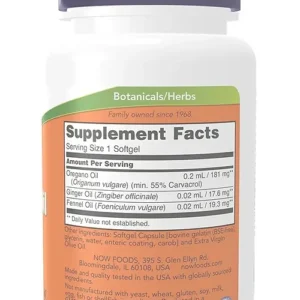
Targeted antiparasitic therapy (conventional or herbal), Herbal protocols like oregano oil, grape seed extract, berberine, wormwood
Anti-inflammatory nutrition
Gut lining repair strategies
Liver and kidney support for detoxification
Microbiome restoration
Treatment is always individualized based on testing, immune status, and symptom severity. Optimizing gut health supplements along with improving sleep and stress management, helps strengthen the body’s immune system.
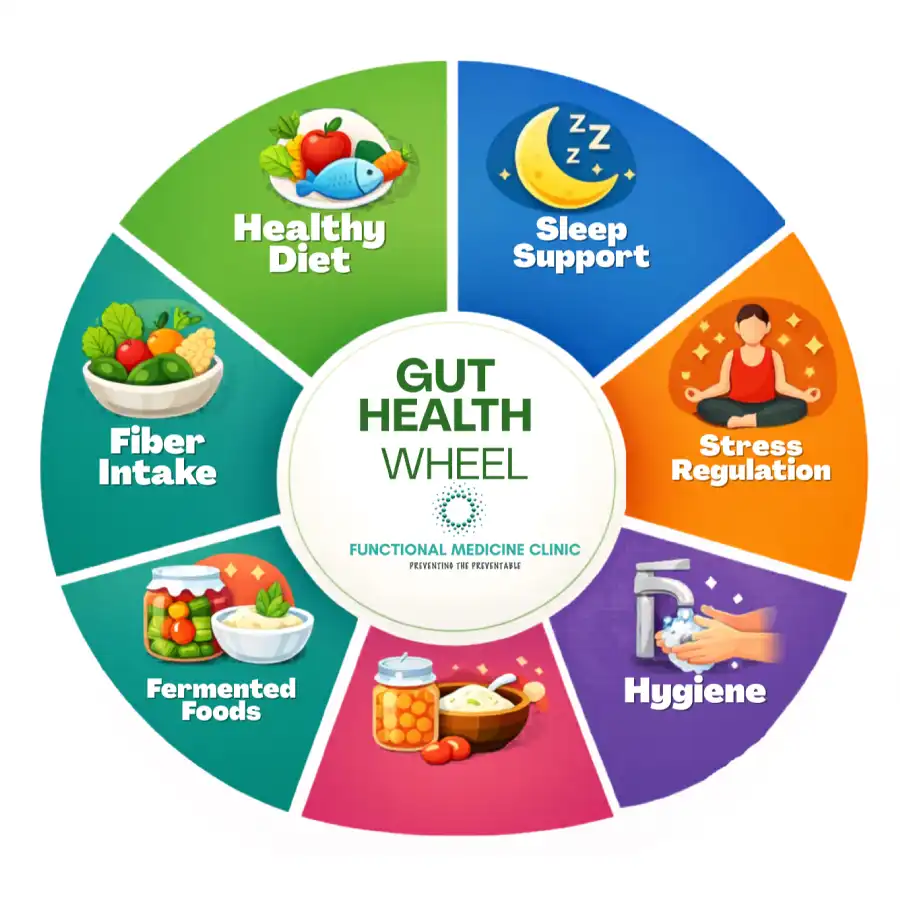
Lifestyle Changes to Improve Gut Health After Treatment
Parasite removal is only the first step. A healthy gut can be maintained only if the internal environment of the gut is supported consistently.
Dietary Support:
Reducing processed foods, refined carbohydrates, and sugar reduces inflammation and promotes gut healing.
Include fermented foods (kefir, sauerkraut, kimchi) which help restore good bacteria in the intestine.
Eat fiber-rich vegetables
Include herbs traditionally used as foods that kill parasites in humans (garlic, pumpkin seeds, papaya seeds — supportive but not standalone treatment)
Stress Regulation:
Chronic stress weakens immunity and alters the gut–brain axis. Incorporate:
Yoga
Meditation
Deep breathing
Regular movement
Sleep Optimization:
7–8 hours of restorative sleep support immune recovery.
Hygiene Practices:
Wash hands thoroughly
Avoid untreated water
Properly cook food
Regular pet deworming (when indicated)
Conclusion
Parasites are a commonly overlooked cause of chronic gut problems. When parasites and gut health are disrupted, the effects can extend to immunity, energy levels, mood, and nutrient status. Restoring gut health during and after parasitic infection is absolutely possible.
If you are experiencing bloating, fatigue, anemia, or unexplained gut disturbances and wondering how to improve gut health naturally, addressing potential parasitic infections may be an important step.
Ready to take charge of your Gut Health?
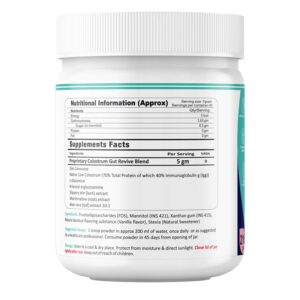
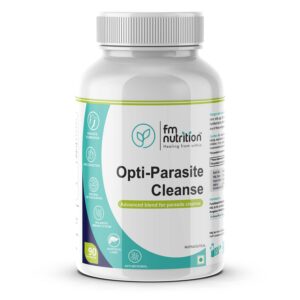
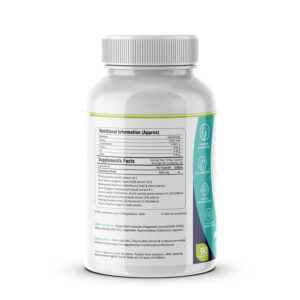
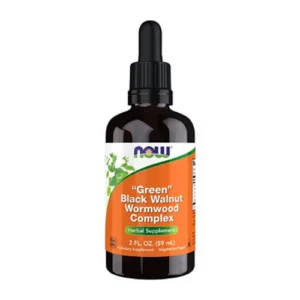
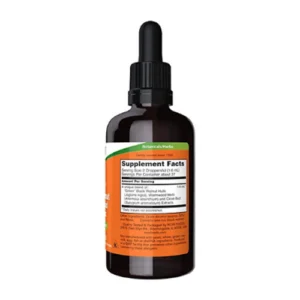
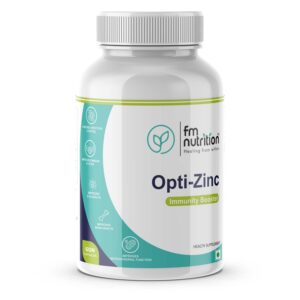
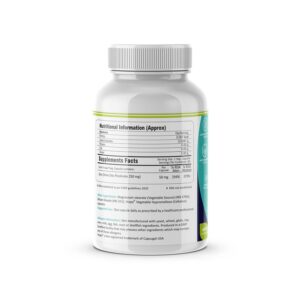
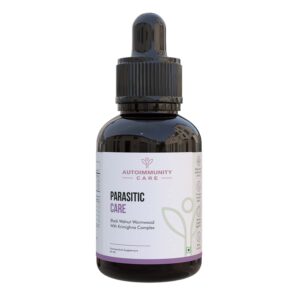
Check out our expert-backed gut health supplements:
Foods such as garlic, oregano, papaya, pumpkin seeds, cloves, ginger, fermented food, and turmeric may help support the body’s natural defense against parasites.
Yes, certain parasites can increase intestinal permeability, which may activate the immune response and make individuals more sensitive to certain foods.
Valdes AM, Walter J, Segal E, Spector TD. Role of the gut microbiota in nutrition and health. BMJ. 2018;361:k2179. https://doi.org/10.1136/bmj.k2179
Dąbrowska J, Groblewska M, Bendykowska M, Sikorski M, Gromadzka G. Effective laboratory diagnosis of parasitic infections of the gastrointestinal tract: Where, when, how, and what should we look for? Diagnostics (Basel). 2024;14(19):2148. https://doi.org/10.3390/diagnostics14192148
Braseth AL, Elliott DE, Ince MN. Parasitic infections of the gastrointestinal tract and liver. Gastroenterol Clin North Am. 2021;50(2):361-381. https://doi.org/10.1016/j.gtc.2021.02.011
Verma R, Das G, Manjunathachar HV, Muwel N. Advances in diagnostics of parasitic diseases: Current trends and future prospects. Int J Curr Microbiol App Sci. 2018;7(7):3261-3277. https://doi.org/10.20546/ijcmas.2018.707.380
We are passing on the full GST benefits directly to our customers, ensuring complete transparency and maximum savings for you.
Free shipping on all orders.