
Table of Contents:
- Understanding Thyroid Antibodies
- The Pathophysiology: How and Why Thyroid Antibodies Form?
- But My TSH Level is Normal! Why should I bother testing my thyroid antibodies?
- Root Causes of Elevated Thyroid Antibodies
- Essential Tests to Monitor Thyroid Autoimmunity
- Protocol to Lower Thyroid Antibodies Naturally
- Foods to Reduce Thyroid Antibodies
- Lifestyle Changes for Lowering Thyroid Antibodies
- How Long Does It Take to Reduce TPO Antibodies?
- Final Thoughts
- FAQs
- References
If you’ve been diagnosed with Hashimoto’s thyroiditis or found to have high thyroid peroxidase (TPO) antibodies, you’re not alone. Hashimoto’s is the most common autoimmune thyroid disorder, and elevated thyroid antibodies indicate that the immune system is dysregulated and thyroid tissue is being affected
If you’ve been diagnosed with Hashimoto’s thyroiditis or discovered elevated thyroid peroxidase (TPO) antibodies, you’re not alone. Hashimoto’s is the most common autoimmune thyroid condition, and high thyroid antibodies indicate that the immune system is actively attacking the thyroid gland.
While thyroid medications can correct hormone levels, they do not directly address the autoimmune process driving antibody production. The good news is that thyroid antibodies can often be lowered naturally by addressing the underlying immune triggers through targeted nutrition, supplements, and lifestyle strategies.
This guide outlines a complete diet and lifestyle protocol to reduce thyroid antibodies naturally and support long-term thyroid health.
Understanding Thyroid Antibodies
Thyroid antibodies, particularly TPO (thyroid peroxidase) and TG (thyroglobulin) antibodies, signal an autoimmune attack against the thyroid. In Hashimoto’s disease, this ongoing immune reaction causes chronic inflammation and gradual thyroid damage, leading to hypothyroidism.
Lowering thyroid antibodies is not just about improving lab values; it’s about calming the immune system, reducing inflammation, and supporting thyroid repair. The goal is to create an environment in which your immune system stops perceiving your thyroid as a threat.
The Pathophysiology: How and Why Thyroid Antibodies Form?
Autoimmune thyroid disease develops when the immune system loses its ability to distinguish between “self” and “non-self.” This loss of immune self tolerance causes the body to mistakenly identify thyroid tissue as a threat.
What Causes This Loss of Immune Self-Tolerance?
Under healthy conditions, the immune system can accurately differentiate between “self” cells and foreign invaders like bacteria, viruses, and toxins. But when this recognition system becomes disrupted, the immune system may start reacting to the body’s own tissues.
This failure of self-recognition is the root of autoimmune disease: the body stops tolerating its own cells and begins attacking them.
The Misidentification Problem: How the Mix-Up Begins
A helpful way to understand this is to think of it as a mistaken identity scenario.
When the body encounters infections or environmental triggers, the immune system responds appropriately by producing antibodies to fight off these threats. However, some foreign particles share structural similarities with thyroid proteins.
Through a process known as molecular mimicry, the immune system becomes confused:
- It targets the true invader
- But then mistakenly targets the thyroid because it looks “similar”
- Over time, this leads to the production of thyroid antibodies and inflammation
This is why infections, food components like gluten, and certain bacteria are frequently associated with autoimmune thyroid conditions—they resemble thyroid tissue closely enough to trigger an error.
But My TSH Level is Normal! Why should I bother testing my thyroid antibodies?
Because Antibodies Often Rise Before Symptoms Appear
Thyroid antibodies often rise years before TSH, T3, or T4 become abnormal. This means autoimmune damage may already be underway even when standard thyroid tests appear “normal.”
Rising thyroid antibodies are the earliest signal that something is wrong with the thyroid. These antibodies can remain high for years, sometimes five, ten, or even fifteen, before any abnormalities show up in TSH levels. Their presence indicates that the immune system is already dysregulated and damaging thyroid tissue.
So even if TSH still appears “normal,” elevated thyroid antibodies suggest that ongoing destruction is occurring. Without intervention, this process can eventually impair the thyroid’s ability to produce enough hormones.
During this silent phase:
- The immune system is attacking thyroid tissue
- TPO and TG antibodies may be elevated
- But TSH, T3, and T4 may still appear “normal” on routine tests
- Symptoms like fatigue, brain fog, and cold intolerance may already be present
Testing thyroid antibodies allows for early intervention, often preventing or delaying progression to overt hypothyroidism.
Root Causes of Elevated Thyroid Antibodies
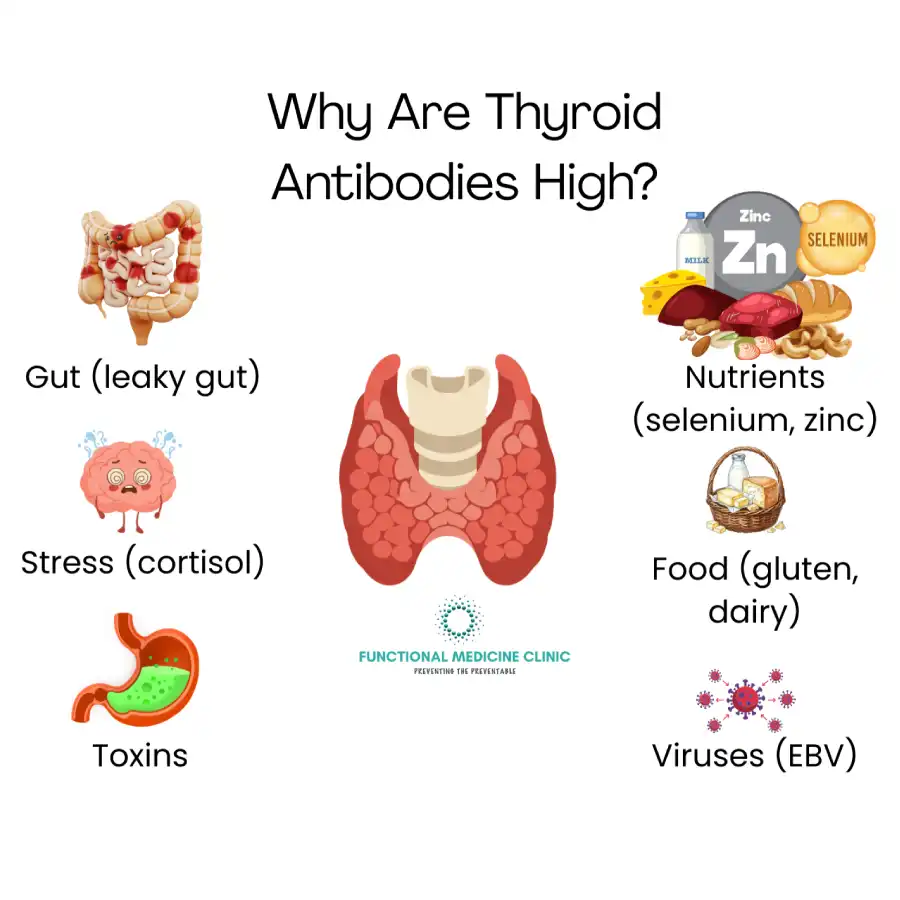
To effectively lower thyroid antibodies, you need to identify and address the triggers. Common underlying causes include:
- Leaky gut and gut dysbiosis – Over 70% of immune cells reside in the gut. Imbalanced gut bacteria or increased intestinal permeability can trigger autoimmune reactions.
- Nutrient deficiencies – Low levels of selenium, zinc, magnesium, and vitamin D are closely linked to elevated TPO antibodies.
- Chronic stress – Prolonged stress elevates cortisol, which disrupts immune balance and promotes autoimmunity.
- Food sensitivities – Gluten, dairy, soy, and certain grains can provoke inflammation in sensitive individuals.
- Toxin exposure – Environmental toxins, pesticides, and heavy metals can burden the immune and endocrine systems.
- Viral infections: Epstein-Barr virus (EBV) and other chronic infections may trigger or worsen autoimmune activity.
Essential Tests to Monitor Thyroid Autoimmunity
1. Autoimmune Markers (Essential)
- Anti-TPO antibodies – Primary marker of autoimmune thyroiditis
- Anti-TG antibodies – Helpful when TPO is borderline or negative
2. Thyroid Function Tests
- TSH – Sensitive indicator of thyroid stress
- Free T4 – Thyroid hormone output
3. Free T3 – Active hormone at tissue level
- Graves’ or Hyperthyroid Suspicion
- TRAb / TSI antibodies
4. Imaging
- Thyroid ultrasound – Detects inflammation, fibrosis, nodules
Protocol to Lower Thyroid Antibodies Naturally
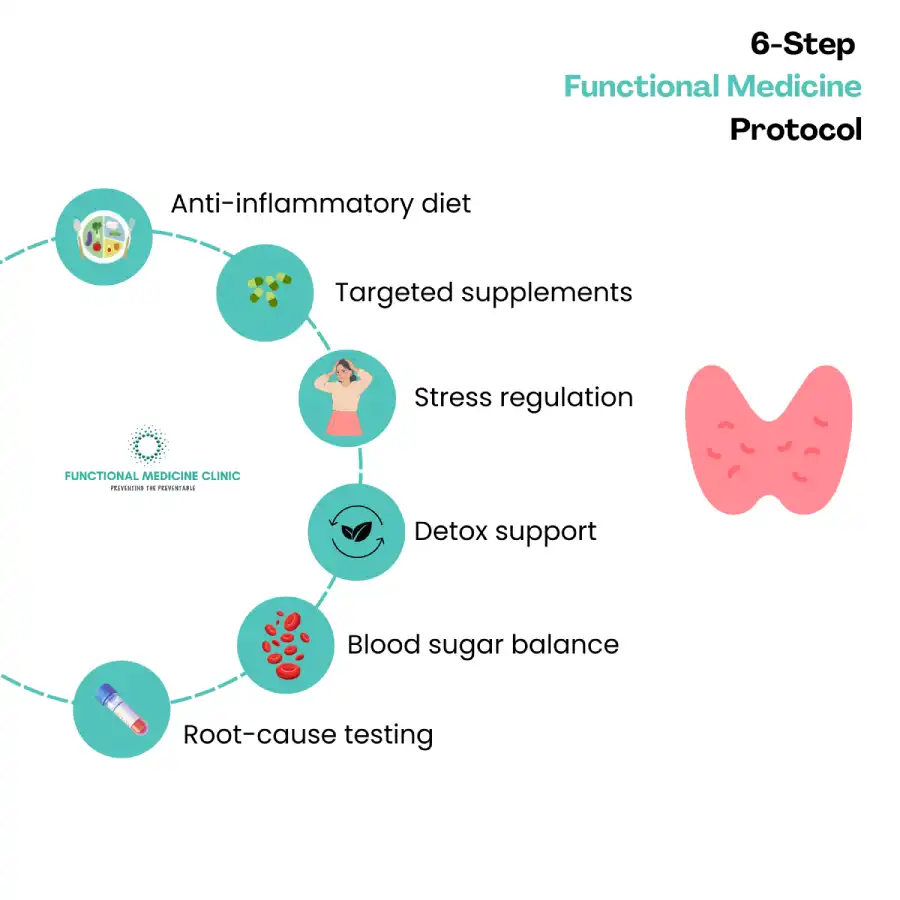
Step 1: Start with an Anti-Inflammatory Diet
Your diet to lower thyroid antibodies should focus on calming inflammation, healing the gut, and supporting detoxification.
1. Eliminate Common Triggers
Avoid:
- Gluten – Research shows that removing gluten may help reduce TPO antibodies in some Hashimoto’s patients.
- Dairy and soy – These can mimic thyroid tissue, worsening the autoimmune response.
- Processed foods & sugars – They promote inflammation and blood sugar spikes that stress the thyroid.
- Refined vegetable oils – Replace with healthy fats like olive oil, avocado, and coconut oil.
2. Include Healing Foods
- Cruciferous vegetables (cooked) – Broccoli, kale, and cauliflower support liver detoxification when lightly steamed.
- Wild-caught fish – Rich in omega-3s to reduce inflammation.
- Bone broth – Supports gut healing and collagen repair.
- Fermented foods – Sauerkraut, kefir, and kimchi replenish gut microbiota.
- Berries, turmeric, and green tea – Antioxidant-rich to counter oxidative stress.
3. Support the Gut
A leaky gut fuels autoimmune reactions. Include:
- High-fibre foods (chia, flax, leafy greens)
- Probiotic foods or supplements
- L-glutamine – A key amino acid that repairs the intestinal lining.
Step 2: Key Supplements to Lower Thyroid Antibodies
While food is the foundation, certain supplements can accelerate healing by lowering thyroid antibodies (Always individualised based on labs)
1. Selenium
- Selenium is vital for converting T4 to active T3 and directly reduces TPO antibody levels.
- Dose: 100–200 mcg/day (as selenomethionine).
- Studies show consistent reductions in antibodies within 3 to 6 months of supplementation.
- Supports immune modulation and thyroid hormone synthesis.
- Dose: 20–30 mg/day (with copper balance).
- Low vitamin D levels are strongly linked to autoimmune thyroid disorders.
- Vit D supplementation can lower TPO antibodies and improve immune tolerance.
- Optimal levels: Aim for serum 70-100 ng/mL.
- Dose: 2000–5000 IU/day, adjusted based on blood levels.
- Aids in reducing inflammation and supporting adrenal function.
- Dose: 200–400 mg/day (magnesium glycinate preferred).
- Anti-inflammatory, reduces cytokine activity.
- Dose: 1–2 grams of combined EPA/DHA daily.
- This combination has shown synergistic effects in lowering TPO antibodies and improving TSH balance.
Step 3: Manage Stress and Support the Adrenals
Chronic stress is one of the most overlooked factors in autoimmune thyroid disease. Cortisol imbalance suppresses thyroid hormone conversion and heightens antibody activity.
Stress management techniques:
- Mindfulness & meditation: Reduces cortisol and inflammation markers.
- Deep breathing or yoga: Lowers sympathetic overdrive.
- Regular sleep (7–8 hours): Restores hormonal balance.
- Moderate exercise: Walking, pilates, or strength training—avoid overtraining, which may worsen autoimmunity.
Managing thyroid antibodies and stress is essential—without it, even the best diet won’t yield full results.
Step 4: Optimise Detoxification
Your liver processes hormones and filters toxins that may trigger immune dysregulation. To support detox pathways:
- Stay hydrated (2–3 litres/day).
- Eat cruciferous veggies (broccoli sprouts, cabbage).
- Include lemon water, milk thistle, and dandelion root tea.
- Avoid endocrine disruptors (BPA plastics, pesticides, synthetic fragrances).
Step 5: Balance Blood Sugar
Blood sugar spikes increase inflammatory cytokines and stress hormones, worsening autoimmune activity.
To maintain stable glucose:
- Include protein with every meal (fish, eggs, legumes).
- Choose complex carbs (quinoa, sweet potatoes, lentils).
- Avoid skipping meals and minimize caffeine on an empty stomach.
Step 6: Address Underlying Infections or Toxins
If progress is slow despite good adherence, consider testing for:
- Chronic infections (EBV, H. pylori)
- Heavy metals (mercury, lead)
- Mold exposure
Work with a functional medicine practitioner for targeted treatment.
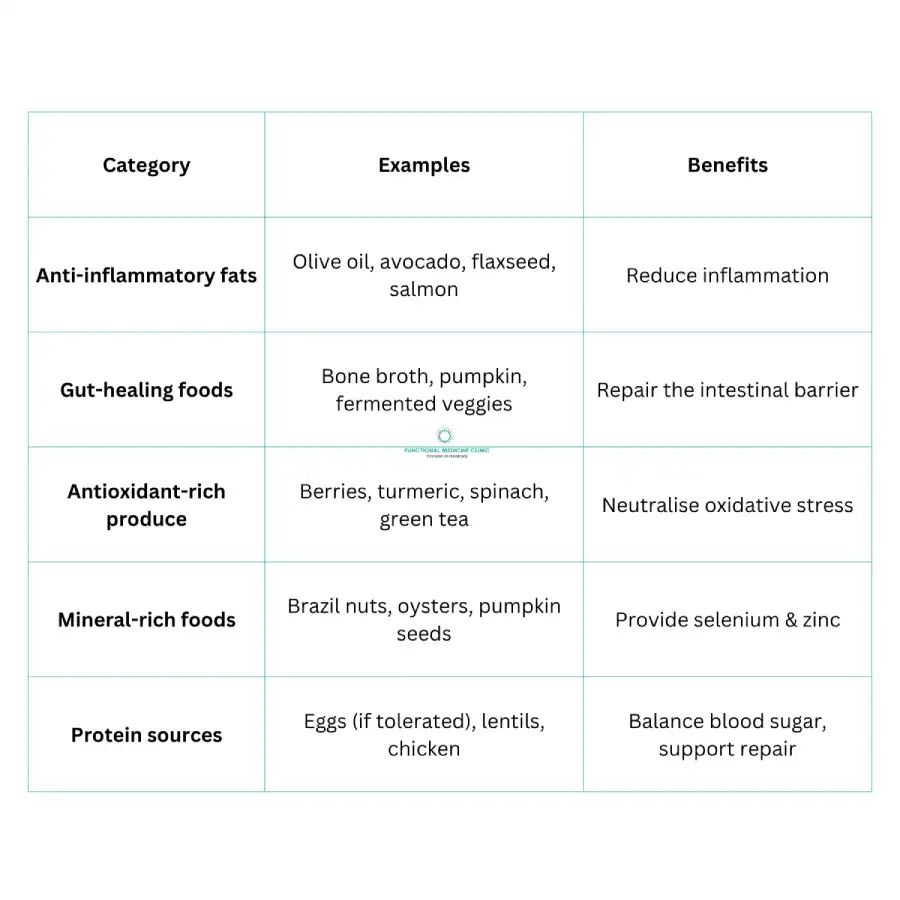
Foods to Reduce Thyroid Antibodies
Here’s a summary of foods to reduce thyroid antibodies that can be part of your daily plan:
Lifestyle Changes for Lowering Thyroid Antibodies
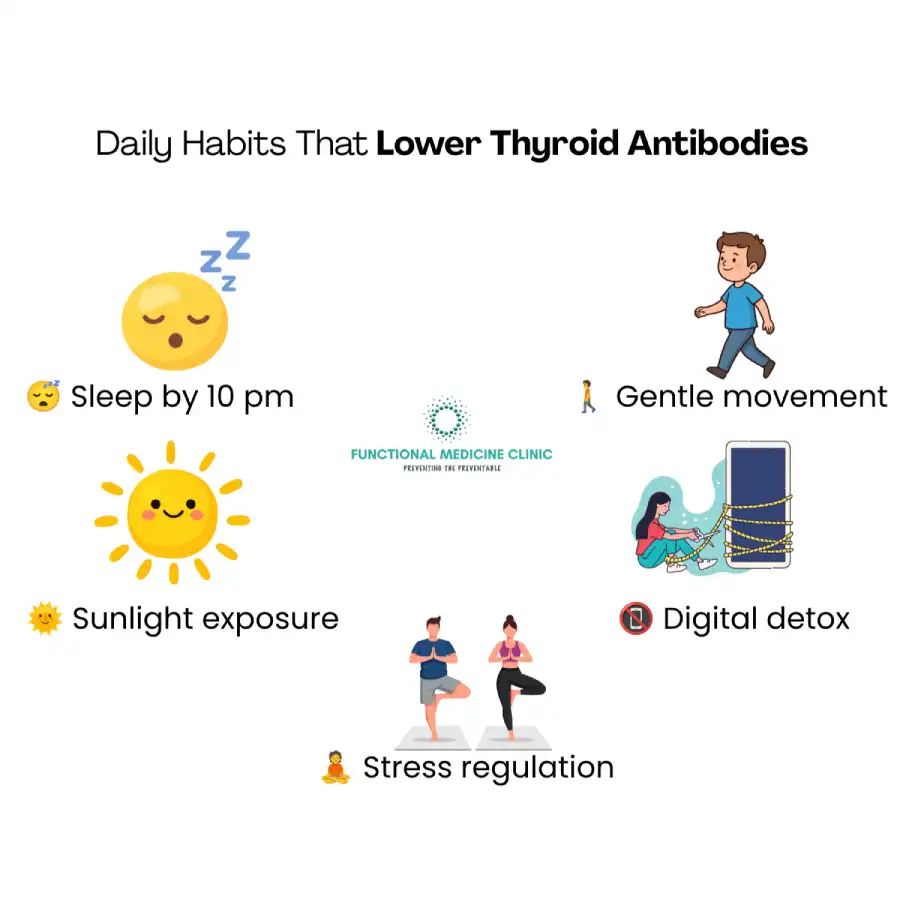
- Prioritise rest: Consistent sleep between 10 p.m.–6 a.m. supports hormone recovery.
- Move daily: Gentle, regular movement improves lymphatic flow.
- Digital detox: Reduce blue light exposure before bed.
- Community connection: Social support lowers autoimmune activity.
- Sun exposure: Natural sunlight for vitamin D synthesis.
How Long Does It Take to Reduce TPO Antibodies?
The timeline varies based on individual factors such as gut health, adherence, and severity of inflammation.
- Mild to moderate cases: 3–6 months of consistent dietary and supplement changes often show significant antibody reduction.
- Chronic Hashimoto’s: It may take 6–12 months to see a 30–50% decrease.
Tracking progress every 3 months with antibody tests helps gauge response.
The goal is reduced immune attack and symptom improvement, not necessarily zero antibodies.
Final Thoughts
Lowering thyroid antibodies naturally is achievable when diet, lifestyle, gut health, and stress are addressed together. With consistency and guidance, many people experience meaningful improvements in energy, cognition, and thyroid stability—even with Hashimoto’s disease.
It may feel overwhelming at first, but healing becomes easier when someone guides the path.
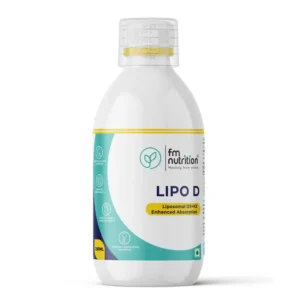
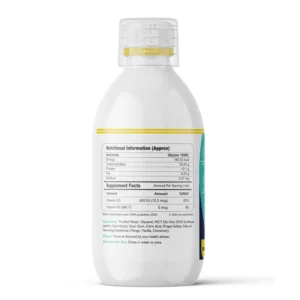
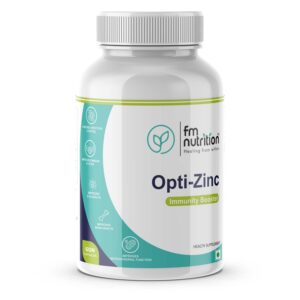
Not sure where to start? Check out the supplements range here
FAQs
Lower antibodies = less immune attack, even if they remain positive.
Many people feel significantly better with antibodies still above the reference range.
Typical timelines:
- 8–12 weeks: Early downward trend
- 3–6 months: Meaningful reduction
- 6–12 months: Stabilisation or remission phase
Consistency matters more than intensity.
For autoimmune thyroid disease, gluten removal is one of the strongest dietary levers, especially if:
- Anti-TPO is high
- There are gut symptoms
- There is an iron, B12, or vitamin D deficiency.
Gluten can cross-react with thyroid tissue via molecular mimicry.
Not always, but often problematic:
Dairy can trigger immune reactions and gut permeability in some people. Soy may interfere with thyroid hormone absorption.
Absolutely.
Autoimmune thyroid disease is closely linked to:
- Increased intestinal permeability
- Dysbiosis
- Food sensitivities
Healing the gut often reduces immune “overreaction” toward the thyroid.
Not reliably.
Levothyroxine treats hormone deficiency, not the immune cause.
Antibodies may fall indirectly once the gland is less stressed, but medication alone is not an immune therapy.
Yes, for some people. Others reach a low-antibody, symptom-free, stable state. Both are wins.
- Müssig K, Künle A, Säuberlich AL, et al. Thyroid peroxidase antibody positivity is associated with symptomatic distress in patients with Hashimoto’s thyroiditis. Brain Behav Immun. 2012;26(4):559-563. doi:10.1016/j.bbi.2012.01.006
- Carta MG, Loviselli A, Hardoy MC, et al. The link between thyroid autoimmunity (antithyroid peroxidase autoantibodies) with anxiety and mood disorders in the community: a field of interest for public health in the future. BMC Psychiatry. 2004;4:25. Published 2004 Aug 18. doi:10.1186/1471-244X-4-25
- Wichman J, Winther KH, Bonnema SJ, Hegedüs L. Selenium Supplementation Significantly Reduces Thyroid Autoantibody Levels in Patients with Chronic Autoimmune Thyroiditis: A Systematic Review and Meta-Analysis. Thyroid. 2016;26(12):1681-1692. doi:10.1089/thy.2016.0256; Ventura M, Melo M, Carrilho F. Selenium and Thyroid Disease: From Pathophysiology to Treatment. Int J Endocrinol. 2017;2017:1297658. doi:10.1155/2017/1297658; Benton D, Cook R. The impact of selenium supplementation on mood. Biol Psychiatry. 1991;29(11):1092-1098. doi:10.1016/0006-3223(91)90251-g
Shop Products Related to this Article
-
Sale!
-